The social geometry of Luxembourg Gardens — where metal chairs form silent societies each morning, creating choreographies no one directs.
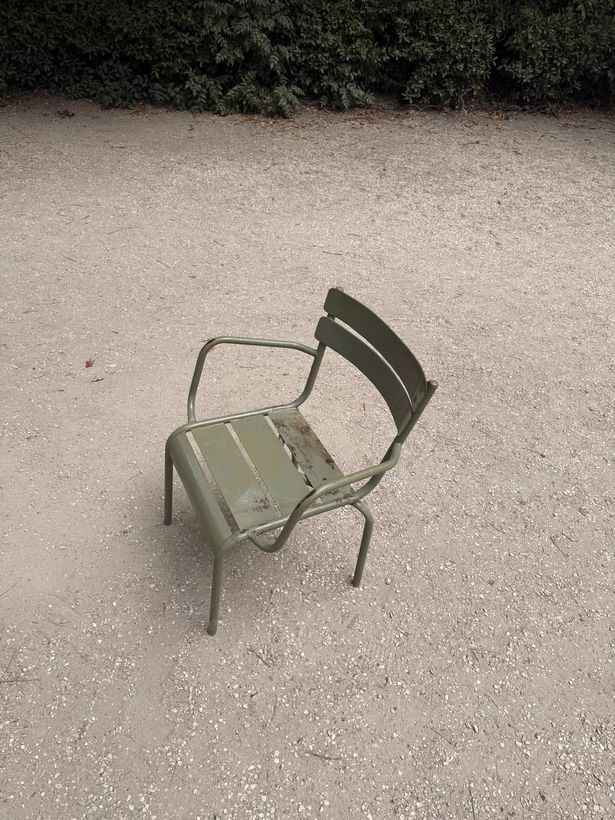
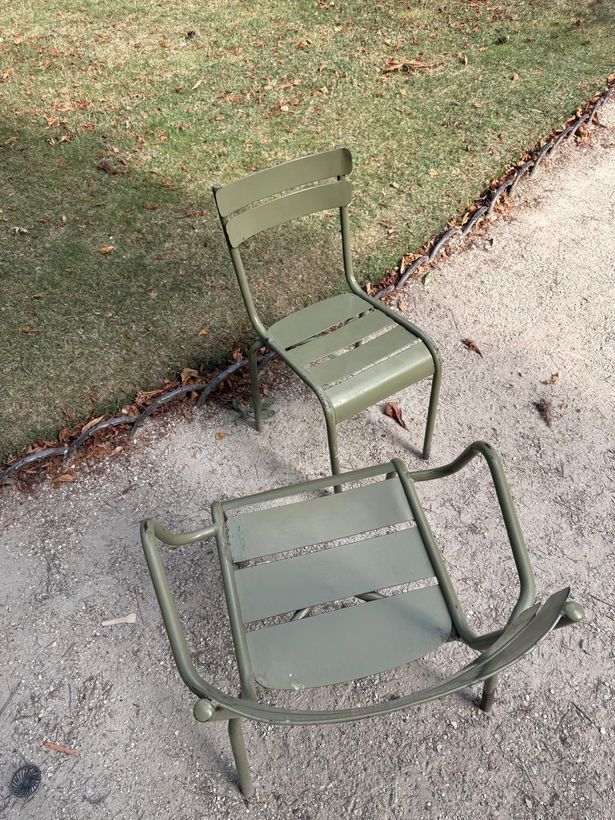
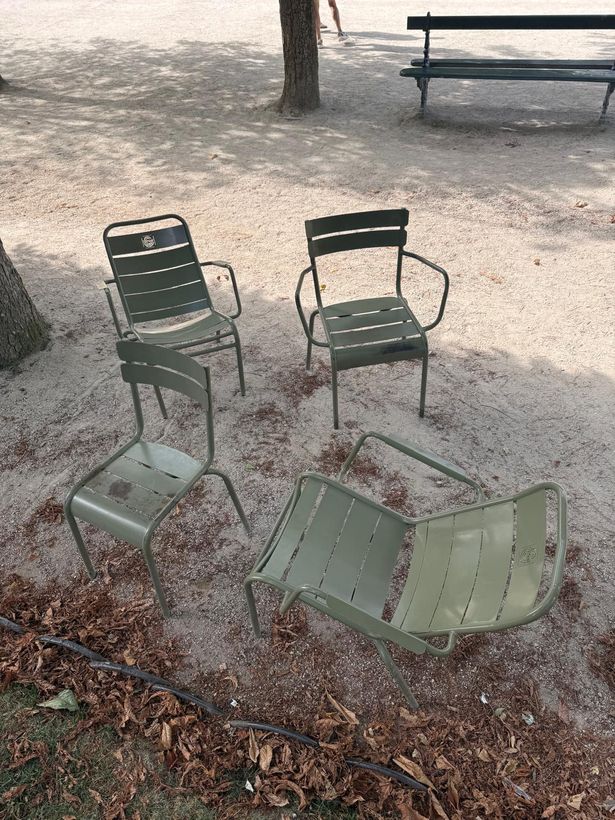
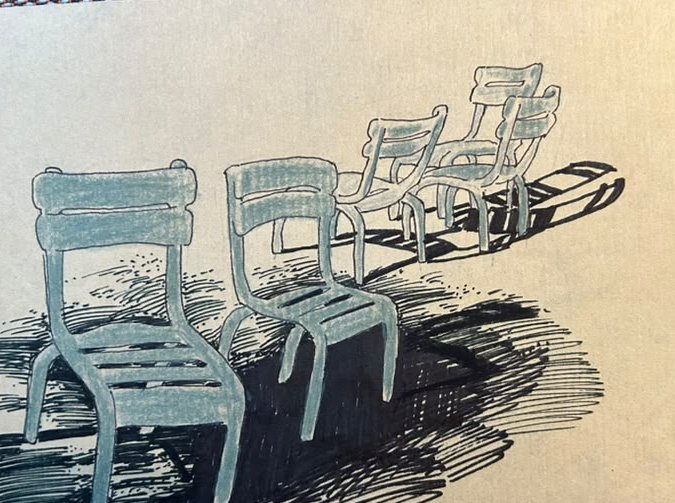
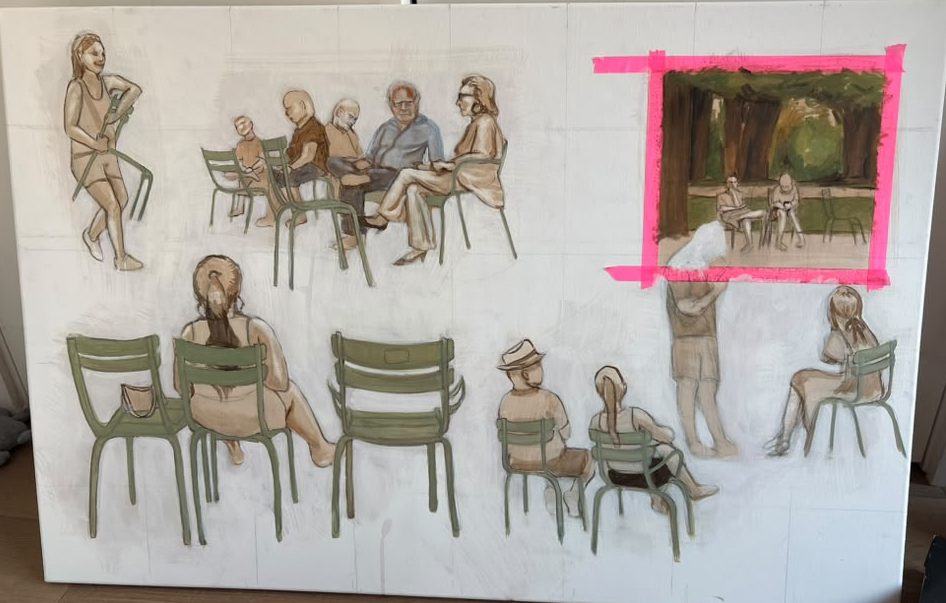
In Luxembourg Gardens, the iconic green metal chairs are freely moved by visitors throughout the day. By the next dawn, a gardener redistributes them into a neutral grid. Then the choreography begins again — lovers pull two chairs face-to-face, a solitary reader angles one toward the sun, a group of students drags six into a messy circle for lunch.
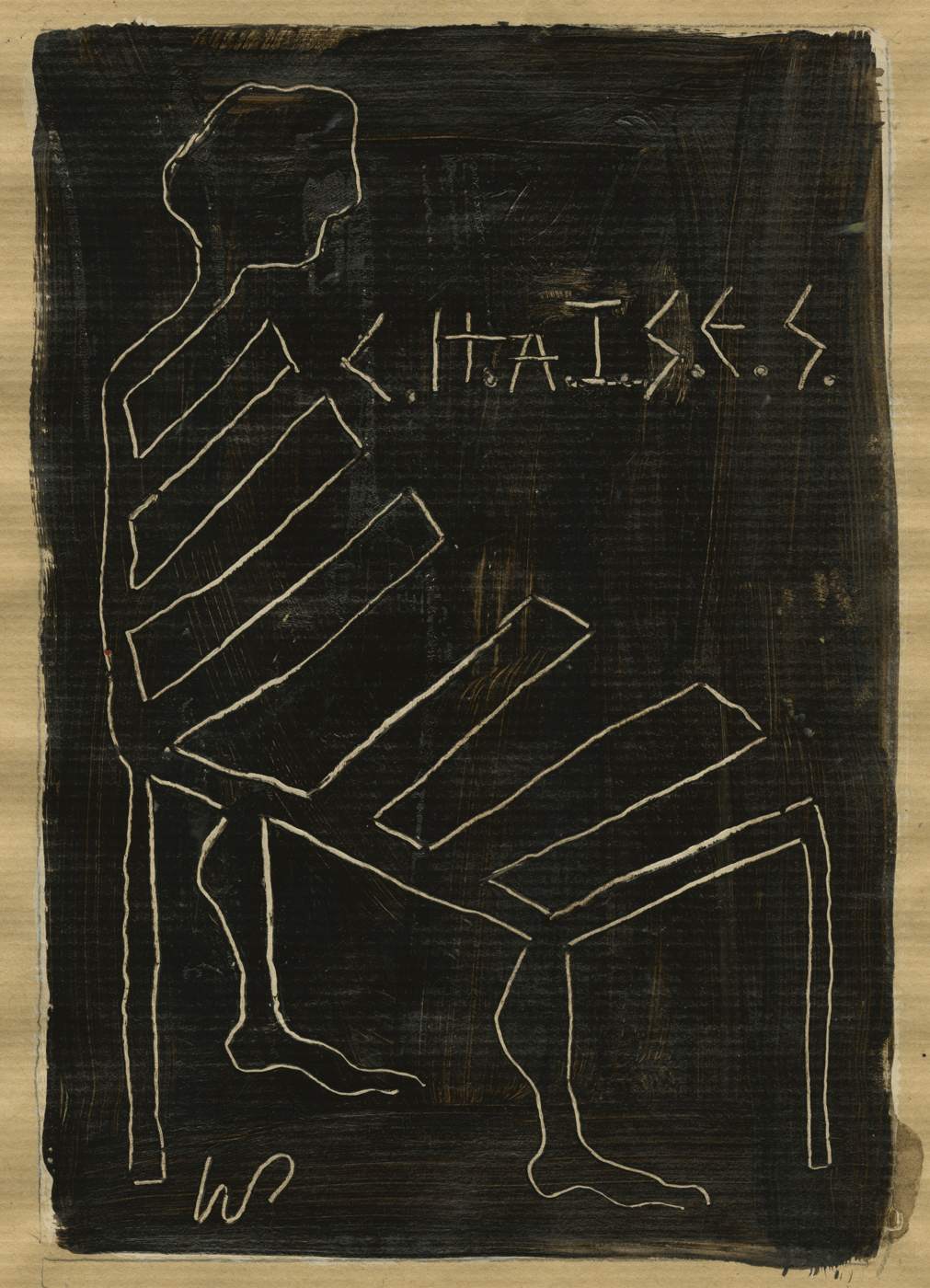
These chairs form a social geometry — a silent, unscripted choreography of human connection, solitude, conflict, and tenderness. Chaises translates this daily phenomenon into five simultaneous art forms.
Rather than literal GPS tracking, Chaises uses human archetypes as choreographic data. Actor-dancers perform scenarios using chairs as their medium — the spatial logic feeds all art outputs at once through a shared data pipeline.
Actor-dancers perform social scenarios with physical chairs — the live choreographic source that drives every other output.
Movement trajectories become 3D ribbon sculptures — width, twist, and colour encoding each dancer's social biography over time.
Five instrumental voices scored from velocity, proximity, and social energy — layered with field-recorded gravel from Luxembourg Gardens.
Generative paintings from point cloud data and movement vectors — produced through an AI-assisted pipeline translating spatial logic into visual form.
The spatial design of the installation itself — architecture responding to the choreographic data, creating an immersive environment for all outputs.
Each scenario encodes a distinct human interaction through the spatial language of chairs — proximity, orientation, velocity, stillness.
A solitary figure tracks the light, making slow angular adjustments as the sun crosses the garden.
Two chairs begin entwined, drift apart through tension, orbit in conflict, and either reconcile or leave.
A cluster forms organically as friends arrive at different times, chairs angling inward to create shared space.
Two distant chairs suddenly converge — the rush of recognition, the embrace, the settling into conversation.
A chaotic, noisy cluster of six. Constant jostling, shifting alliances, side conversations breaking off.
Deliberate isolation. The chair positions itself away from traffic, creates a buffer zone, and barely moves.
Confrontation transforms into synchronisation — adversaries become partners through rhythm.
A burst of chaotic, short-lived occupation. Chairs briefly claimed, photos taken, then abandoned in disarray.
The same positions, day after day. Territorial, precise, comforted by routine. The chairs remember their owners.
Two chairs in silent parallel — never approaching, never diverging, maintaining an uncanny synchrony.
The visualisation below runs on the same canonical chair geometry and vector data that drives all project outputs — sculpture, sound, and export pipelines share a single source of truth.
Chaises draws on the analytical framework of William Forsythe's One Flat Thing, reproduced and the Ohio State University Synchronous Objects project — which decomposed a single dance into dozens of visual, spatial, and data-driven interpretations.
Where Forsythe decomposed choreography into data, Chaises inverts the process: social observation becomes choreographic data, which then generates sculpture, sound, painting, and scenography simultaneously. The chairs are both the instrument and the subject.
A landmark project that produced 20+ visual objects from a single Forsythe dance — maps, 3D forms, generative drawings, and data visualisations. Chaises extends this methodology from the stage to the public garden, from professional dancers to the everyday choreography of social life.
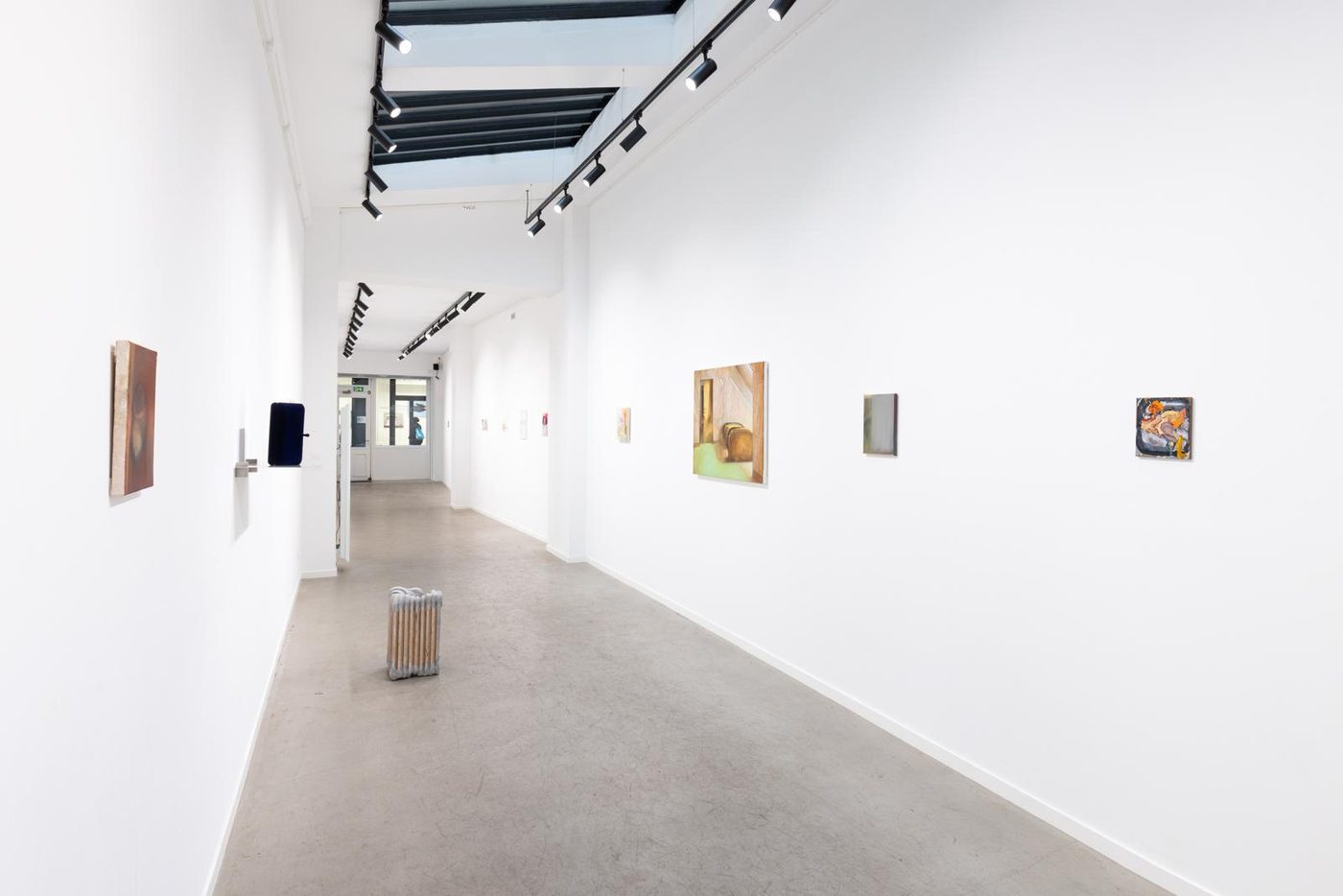
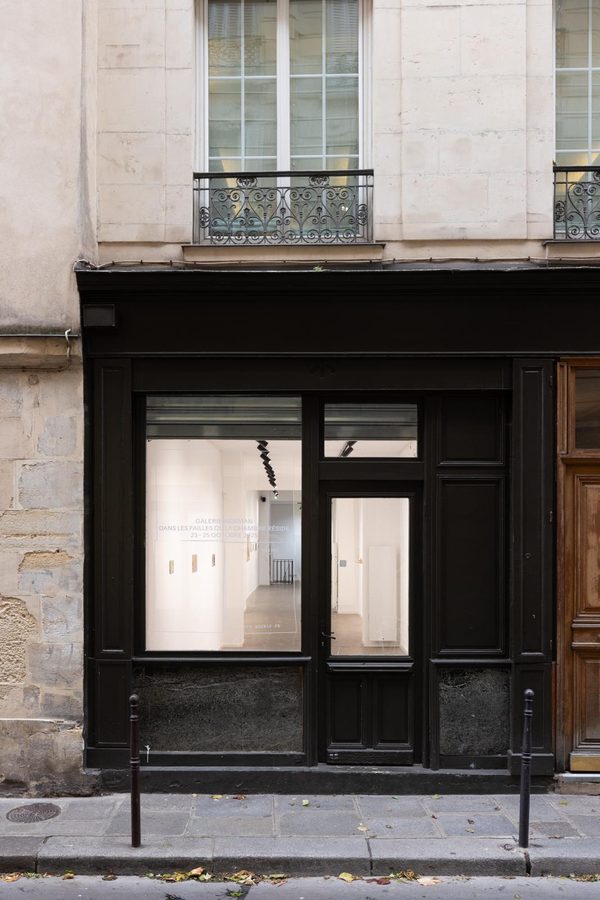
Chaises will be presented over three days in Le Marais — the historic heart of Paris, where centuries of creative life have shaped the streets, courtyards, and gathering places. The project returns to the city where it was born: where the green metal chairs of Luxembourg Gardens choreograph social life every morning without a director, without a score.
Le Marais offers the perfect scale — intimate enough for visitors to encounter the work up close, yet connected to the broader Parisian art world during the autumn season. The installation will transform its venue into a living field of chairs, sound, and projected movement — inviting audiences to witness the silent choreography they walk past every day.
Le Marais sits at the crossroads of Paris's gallery scene, historic architecture, and everyday street life — an ideal setting for a project that draws its poetry from public space.
The installation adapts to its host architecture. Chairs inhabit the space as both art objects and performers — the choreography reshaping itself to the specificities of the venue.
Dance, sculpture, sound, painting, and scenography — all generated from a single choreographic data source, presented simultaneously across three days of exhibition and performance.
Originated the observation. Conceived the project's vision and supports its realisation across all five outputs.
Urban Songlines. Tate St Ives, Whitney, MAAT, Van Abbemuseum. Leads creative direction, scenographic design and sound composition.
Motion capture, AI, experimental fabrication. Generative sculpture and painting pipeline.
Oil painting, printmaking, photography. Explores femininity and the sublime through art history and Filipino tattoo culture.
Chaises is produced by the New to the Wall Foundation, a private foundation dedicated to collecting, exhibiting, and supporting contemporary artists. Based in the Hudson Valley and connected to galleries and institutions in New York and Paris, the foundation builds lasting relationships between artists, their work, and the communities that encounter them.
Beyond collecting, the foundation commissions new work and produces cross-disciplinary projects — partnering directly with artists to realise ideas that deserve support. Chaises is the foundation's flagship production for 2026, reflecting its commitment to ambitious, multidisciplinary work at the intersection of performance, technology, and the visual arts.
Foundation founders Jimmy Gardner and Shana Glickfield will be in Paris for the full production and exhibition period — on the ground with the artistic team through installation, performance, and day-to-day operations. This is hands-on commitment to the work and to the artists making it.
Technical pipeline refinement — choreography engine, sound scoring, sculpture generation, vector export for downstream tools (TouchDesigner, Blender, Unity).
Actor-dancer casting and rehearsal in Paris. Field recording sessions at Luxembourg Gardens. 3D print iteration for miniature and sculptural outputs.
Site-specific adaptation for the Marais venue. Scenographic design finalised. All five art output streams integrated and tested.
Three-day live installation and performance. Vernissage, open viewing, and culminating performance bringing all five art forms together in a single immersive space.